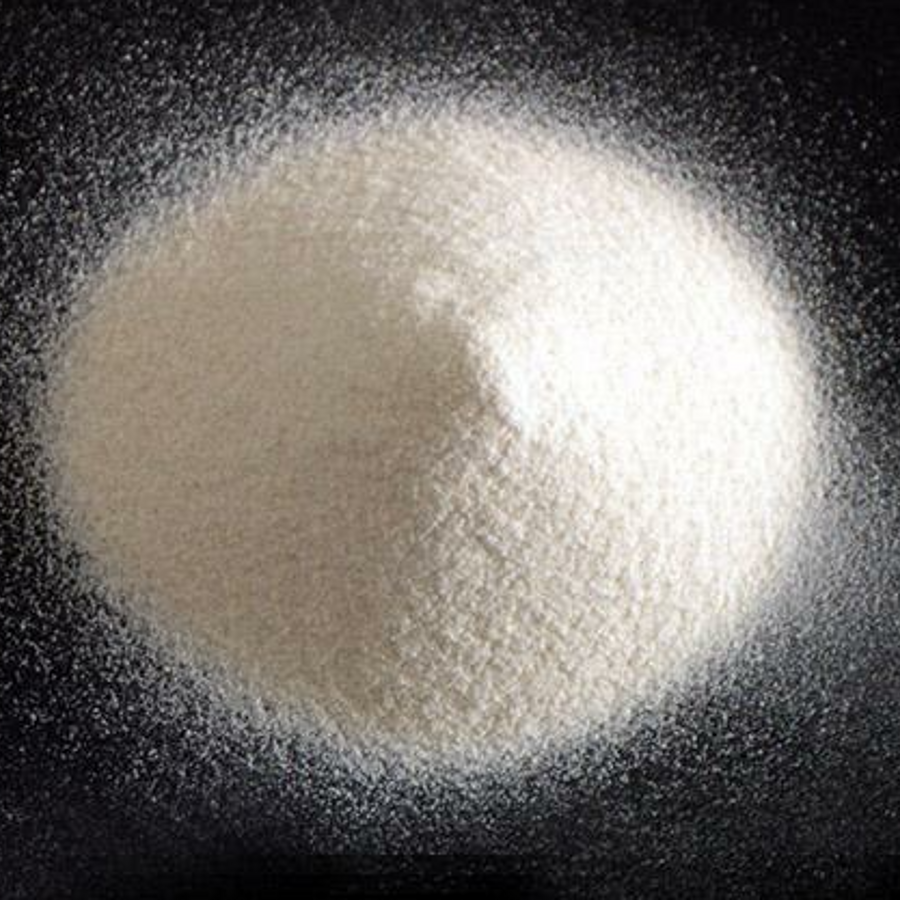
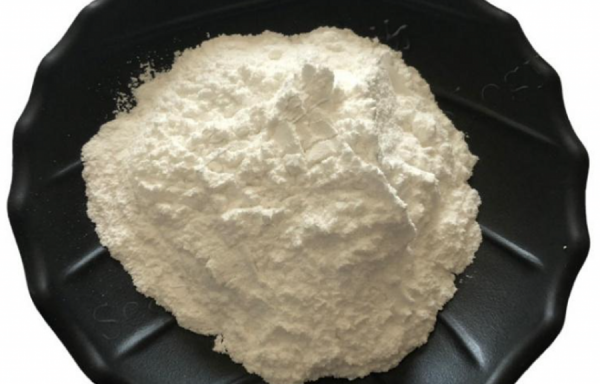
Sodium Alginate
Fortune Cat® can produce Sodium Alginate.
Item Name: Fortune Cat® Sodium Alginate.
Brand: Fortune Cat®
Fortune Cat® can produce all kinds of Sodium Alginate.
If you are interested in this product, please feel free to contact us: fortunecatfibers@outlook.com
Product Description
Sodium Alginate
Fortune Cat® can produce Sodium Alginate.
Item Name: Fortune Cat® Sodium Alginate.
Brand: Fortune Cat®
Fortune Cat® can produce all kinds of Sodium Alginate.
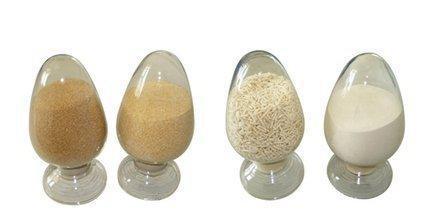
CAS Registry Number: 9005-38-3
English Name: Alginic acid, sodium salt
Molecular formula: C6H7NAO6
Molecular weight: 216.12303
Regular Products:
|
Type |
Product Code |
Specifications |
Particle Size |
Application |
Carried Standard |
||||||||||||
|
Sodium alginate for surgical dressings |
N/A |
N/A |
N/A |
Pharmaceutical excipients, sustained-release agents, dental impression materials, etc. |
CP2015 |
||||||||||||
|
Food-grade sodium alginate |
LYF |
20-100 cps |
30 |
Food and cosmetic thickeners, adhesives, stabilizers, and formers. It is mainly used in food for shaping foods, noodles, beverages, meat products, fillings, jams, pet food, etc. |
GB1976—2008 |
||||||||||||
|
Industrial-grade sodium alginate |
LY1 |
20-100 cps |
30 |
Printing, water treatment, pesticides, fertilizers, papermaking, welding rods, industrial adhesives, thickeners, stabilizers, etc. |
Q/0284 QMY003-2013 |
||||||||||||
|
Sodium alginate with low molecular weight |
N/A |
10%,300-700 cps |
60 |
Pharmaceutical, functional food, inkjet printing. |
GB1976—2008 |
Characteristics of Sodium Alginate:
Alginate is a natural polysaccharide found in brown algae such as kelp and giant algae. It is a natural product formed by the interaction of alginic acid in the algae with minerals in seawater. Alginic acid is a mixed polysaccharide composed of mannuronic acid (M) and guluronic acid (G). The widely used alginate products mainly include sodium alginate, potassium alginate, calcium alginate, ammonium alginate, etc.
Chemical Structure of Sodium Alginate:

Solution Properties of Sodium Alginate:
Sodium alginate, as a hydrophilic colloid, is readily soluble in water to form a viscous solution. By taking advantage of its thickening and stabilizing properties, it can be used as a thickener and stabilizer for food and beverages, printing color paste, oilfield additives, etc.
Gel Properties of Sodium Alginate:
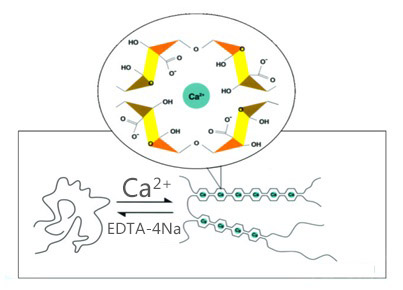
Alginate can rapidly undergo ion exchange when encountering calcium ions, forming a gel, which is thermally irreversible. The gel formed by high-G-type alginate is hard but brittle. The gel formed by high M-type alginate is the opposite, with good flexibility but low hardness. Adjusting the two proportions can produce gels of different strengths. By taking advantage of the gel’s properties, it can be used to make various biomimetic foods, materials, facial masks, wastewater treatment agents, cling films, etc.
Medical Appliations of sodium alginate:
Sodium alginate direct injection products:
Heart failure treatment materials – In 2012, there were 290 million cardiovascular patients, among whom 4.5 million suffered from heart failure. Moreover, the development of many cardiovascular diseases can eventually lead to the occurrence of heart failure, and the five-year survival rate is comparable to that of malignant tumors. The treatment of heart failure with alginate materials has become a new research hotspot and trend internationally. Two foreign products have already entered clinical trials, while domestic research and development is still in its infancy.
Sodium alginate, a carrier of drugs and active substances, holds an important position in the research field of drug carriers and smart hydrogels due to its excellent biological safety. Sodium alginate and its derivatives can be developed into various small molecule, gene and protein drug nanocarriers for drug delivery, and the research is extremely extensive.
Sodium alginate, a beauty and plastic surgery material, has good biocompatibility and lacks specific degrading enzymes in the human body, so it can safely exist in the body for a long time. Calcium alginate gel can be used for filling and plastic surgery of the chest and buttocks.
Alginate embolic agent:
Tumor interventional therapy – Alginate as an embolic material has unique advantages over currently used materials such as gelatin sponge, polyvinyl alcohol (PVA) particles, and acrylic microspheres (TAGM) : it is more stable, safer, and easier to achieve functionalization. Alginate microspheres, as a new type of embolic agent, began to be applied in interventional therapy in 2002. Currently, extensive application research has been carried out in over 20 top-tier hospitals in cities such as Guangzhou, Tianjin, Shanghai, and Yantai, treating tens of thousands of patients. They also have broad application prospects in the treatment of liver cancer and gynecological tumors.
Embolization hemostasis – Alginate microspheres can be used for arterial hemostasis with remarkable effects. 1. Acute bleeding such as: traumatic rupture and bleeding of the liver and spleen; Nosebleeds Uterine rupture bleeding and uterine atony bleeding, etc. 2. Tumor-related bleeding such as liver rupture bleeding and hepatic hemangioma rupture bleeding; Bleeding caused by esophageal varices is also often treated with interventional hemostasis methods.
Urinary incontinence embolization treatment – Elderly women, due to the relaxation of the urethral sphincter and the aging of the urethral mucosa, become rough and less elastic, which can easily lead to urinary incontinence. The incidence rate is as high as 40-50%. The current surgical treatment has the risk of overcorrection, which may affect urination. Alginate microsphere embolization is used to treat urinary incontinence and the embolization intensity can be flexibly adjusted as needed.
Alginate cell scaffold material:
Bioartificial liver microcapsule membrane material – orthotopic liver transplantation is currently the most effective treatment method for acute liver failure, but organ donors are in short supply. The bioartificial liver support system and hepatocyte transplantation for the treatment of acute liver failure are in the early stage of research and are promising new methods. Microcapsules with alginate as the membrane material encapsulate functional animal-derived hepatocytes and compensate for liver function through cardiopulmonary bypass, which can prolong the lifespan of patients and create a longer buffer time for seeking liver sources.
Cell transplantation immune isolation membrane material – microencapsulated cell transplantation can maintain the function of cells while preserving their activity. Constructing immune isolation microcapsule membranes is the key to the success of cell transplantation. Sodium alginate, as a microencapsulated cell membrane material, is irreplaceable. Islet transplantation can be used to treat type 1 diabetes. Bovine adrenal pheochromotropic cell transplantation can treat intractable pain and Parkinson’s disease. The microencapsulated porcine brain cells developed in New Zealand for the treatment of Parkinson’s disease are currently undergoing Phase IIb clinical trials by the FDA. The microencapsulated porcine islets developed in Japan for the treatment of diabetes are currently undergoing Phase II clinical trials by the FDA.
In 3D printing materials for tissue engineering – bone tissue engineering and cartilage tissue engineering, it is often necessary to prepare scaffold materials of certain shapes. After inoculating seed cells, new bone or cartilage tissues are formed. The rapidly developing 3D printing technology makes it possible to prepare cell scaffolds of various shapes and styles. At present, many materials such as PLGA, PCL, PLLA, collagen, sodium alginate and silk fibroin have been 3D printed. Among them, sodium alginate, as an outstanding material, has already made a name for itself in the field of 3D printing in tissue engineering. Sodium alginate has an extremely broad application prospect in the field of tissue engineering. However, sodium alginate is extracted from Marine brown algae. The residual impurity proteins, polyphenols, endotoxins and other impurities have become the main factors affecting the biocompatibility of the material and restricting its clinical application. Moreover, due to the characteristics of the macromolecular chemical structure (such as molecular weight, charge, and charge distribution), the main component of the material, polysaccharides, and the impurity components, proteins and endotoxins, form polysaccharide-protein complexes through electrostatic interaction. This makes the removal of impurity proteins and endotoxins in polysaccharides even more difficult.
Anti-gastric acid – Sodium alginate is a natural polysaccharide extracted from seaweed. Under acidic conditions, it forms a protective gel covering layer, neutralizes gastric acid secretion at the same time, maintains the acid-base balance of the stomach, alleviates the symptoms caused by acid reflux, and also has preventive and therapeutic effects on bile reflux. Some drugs take effect quickly, have a short time to show results, and are prone to repeated use, causing gastrointestinal dysfunction. Some medications take a long time to relieve symptoms and are rather useless when used. Sodium alginate is extracted from natural brown algae and has good biocompatibility, no cytotoxicity, with an onset time as short as 3 minutes and an action time of up to 4 to 6 hours. It is metabolized out of the body within 48 hours and does not pass through the kidneys and liver for absorption, so it will not cause reticulation in the human body. In a study on the safety of sodium alginate for the symptoms of functional reflux in infants and young children, it was found that this physical antacid does not cause any adverse reactions in infants and young children, confirming the mild and effective pharmacological effects of sodium alginate preparations. It avoids the risks of constipation, anemia and gastrointestinal polyps when using razole drugs and is widely used in the clinical treatment of gastroesophageal reflux disease. And it is included in both the British and American pharmacopoeias.
It has a positive impact on the reproductive hormone levels of women with polycystic ovary syndrome – it is well known that higher levels of estrogen can lead to many infertility problems, such as endometriosis, polycystic ovary syndrome, ovarian cysts and uterine fibroids. Studies show that a high-fiber diet helps regulate blood sugar and eliminate excess estrogen from the body. In recent studies, researchers have shown great interest in sodium alginate because of its physiological properties for weight management, such as the feeling of hunger when ingested and their gel formation, which reduce food intake and energy expenditure, and help regulate high blood sugar and serum insulin levels. Sodium alginate (SA) is a natural viscous dietary fiber obtained from the cell walls of brown seaweed. Previous studies have shown that dietary fiber helps reduce body fat, blood lipids and blood sugar, and helps suppress appetite and lead to weight loss. Therefore, this study explored the role of sodium alginate as a potential supplement in weight management and improvement of reproductive hormone levels in women with polycystic ovary syndrome (PCOS).
It has a blocking and discharging effect on radioactive elements and harmful metals.
If you are interested in this product, please feel free to contact us: fortunecatfibers@outlook.com
****************************Alginate Production Base
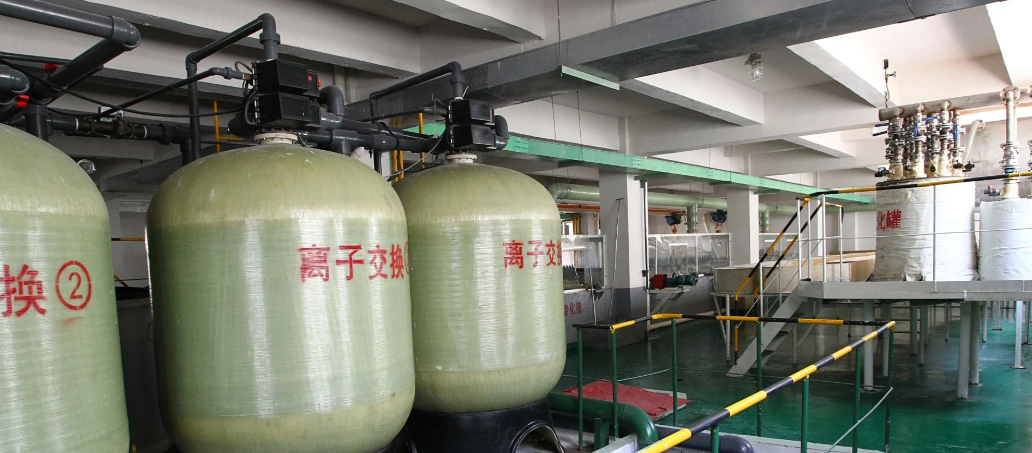
Founded in 1996, Focusing on the in-depth development and application of active substances from seaweed, Fortune Cat® alginate production base has produced alginate, mannitol, Marine cosmetics, Marine biomedical materials, food-grade gelatin, medicinal gelatin, Marine anti-tumor active substances, including terpenoids, polysaccharides, peptides and many other products, which are widely used in the pharmaceutical industry, food industry, beauty industry, textile industry and many other fields.

While introducing advanced production equipment and cutting-edge scientific technology, Fortune Cat® alginate production base actively cooperate with high-end technology institutions, focus on strengthening resource conservation, increase charitable giving, and strive to become a world-class marine biopolymer giant.
E-mail us to get a free quote: fortunecatfibers@outlook.com
See also different:


Address:
International Sales Department
Fortune Cat® Fibers
Jinduhuafu 6#4#308, Jianping, Chaoyang, Liaoning, China.
E-mail: FortuneCatFibers@outlook.com