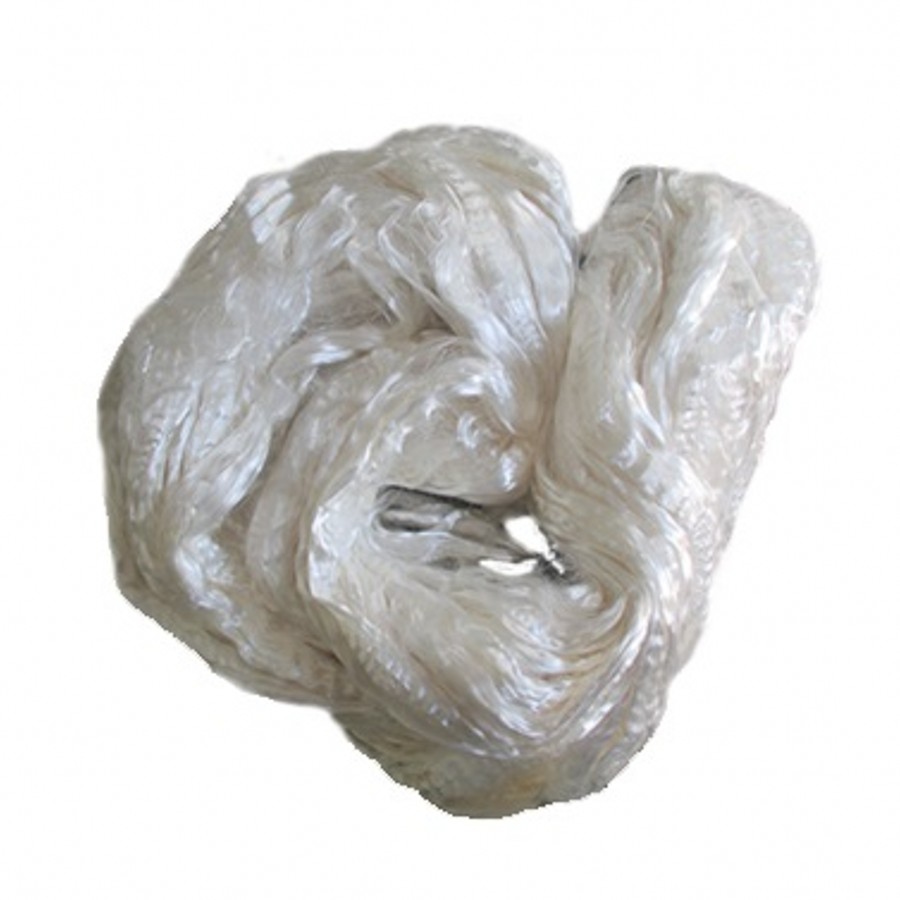
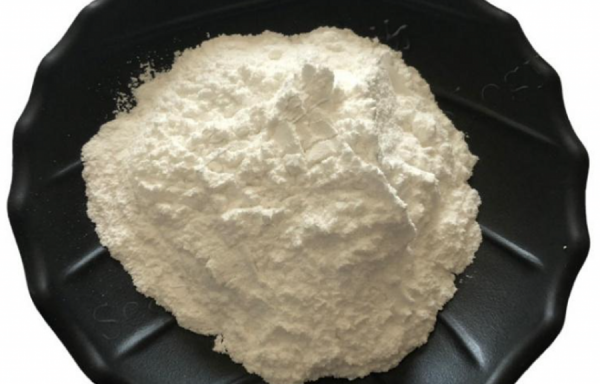
Alginate Fiber
Fortune Cat® can produce Alginate Fiber.
Item Name: Fortune Cat® Alginate Fiber.
Brand: Fortune Cat®
Fortune Cat® can produce all kinds of Alginate Fiber.
E-mail us to get a free quote: fortunecatfibers@outlook.com
Product Description
Alginate Fiber
Fortune Cat® can produce Alginate Fiber.
Item Name: Fortune Cat® Alginate Fiber.
Brand: Fortune Cat®
Fortune Cat® can produce all kinds of Alginate Fiber.
Characteristics of Alginate Fiber:
Fortune Cat® Common Alginate Fiber is a functional medical fiber material prepared by wet spinning with pure sodium alginate as the raw material. It has a high hygroscopicity and gel-forming property. When medical dressings prepared from this material are applied to wounds, they can absorb a large amount of tissue exudate, form a gel, provide a moist environment that promotes wound healing, stimulate the growth of skin tissue and accelerate wound healing. It has a very good therapeutic effect on chronic ulcerative wounds such as pressure sores and burns. Fortune Cat® can, based on customer demands, adjust raw materials and production processes, etc., to provide customers with alginate fibers of different G/M ratios, fineness and gelation properties.
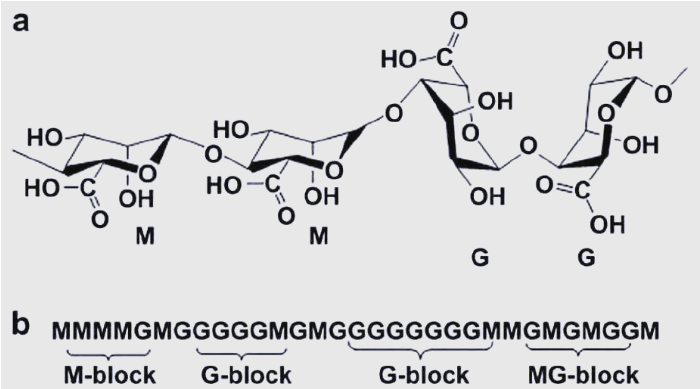
The raw material of Fortune Cat® alginate fiber is derived from algal polysaccharides extracted from seaweed, which are ingeniously composed of two key components: mannuronic acid (β-D-mannuronic acid) and guluronic acid (α-L-guluronic acid. These two components are arranged in an irregular sequence in the molecular chain and are linked through alternating or polymeric alternation, thus forming a unique random block copolymer. It is precisely this unique structure that endows Fortune Cat® alginate fiber with numerous outstanding properties, such as high hygroscopicity, easy removal, high oxygen permeability, gel resistance, biodegradability, compatibility, as well as excellent radiation protection and flame retardancy. This makes Fortune Cat® alginate fiber not only a self-flame-retardant and biodegradable eco-friendly fiber, but also demonstrates its outstanding application potential in multiple fields.
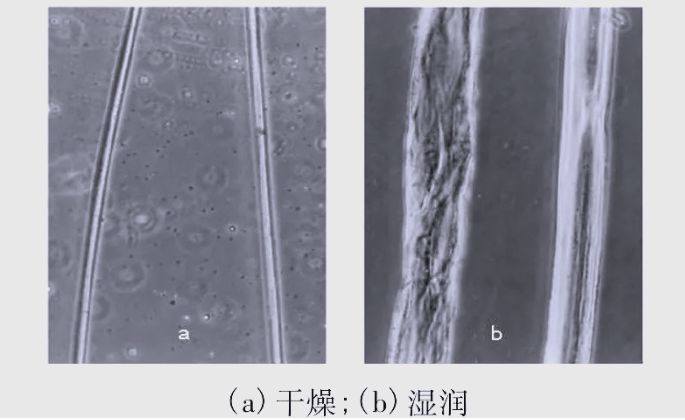
Take calcium alginate fiber as an example. During the wet spinning process, calcium ions in the solidification solution will enter the filament and form a cross-linked structure with it, thereby solidifying into the fiber. When this kind of fiber comes into contact with a solution containing sodium ions, ion exchange occurs, causing some of the calcium alginate in the fiber to be converted into sodium alginate. This transformation enables the fibers to absorb a large amount of water, thereby highly expanding and forming a fibrous hydrogel. The following picture shows the structural change process of calcium alginate fibers after contact with physiological saline.
The gel-forming performance of fibers is closely related to their chemical structure, especially the proportion of mannuronic acid (M) and gururonic acid (G) monomers in the fibers, which directly affects the binding ability of the fibers with metal ions. Under the same test conditions, we found that the rate at which high M calcium alginate fibers absorbed physiological saline was as high as 15.89g·g-1, while the absorption rate of high g calcium alginate fibers was 8.49 G ·g-1. Although both of these fibers belong to calcium alginate fibers, their gel-forming abilities are quite different.
The following table shows the calcium release rate, hygroscopicity and colloid strength of three types of calcium alginate fibers:
|
Type of Alginate Fiber |
Fibers with a high G content |
Fibers with a medium G content |
Fibers with a high M content |
||||||||
|
The ratio of M/G monomers |
About 0.4 |
About 1.6 |
About 1.8 |
||||||||
|
The calcium ion content in the contact liquid (mg·L-1) |
317.5 |
450 |
560 |
||||||||
|
The proportion of released calcium ions to the weight of fibers (%) |
0.9 |
1.43 |
1.87 |
||||||||
|
The water absorption rate of fibers (g·g-1) |
2.69 |
6.0 |
5.69 |
||||||||
|
The absorption rate of physiological saline by fibers (g·g-1) |
8.49 |
14.51 |
15.89 |
For the same type of calcium alginate fibers, the high-g alginate in the raw material has a stronger binding ability with calcium ions, while its ion exchange ability with sodium ions is relatively weak and inferior to that of high-M alginate fibers. In medical applications, medical dressings prepared with high M alginate fibers can form gels more effectively due to their excellent ion exchange properties.
The manufacturing process of Alginate Fiber:
Fortune Cat® Alginate Fiber is a bio-based fiber made from alginate extracted from marine algae plants through spinning process, and is a high value-added fiber material. Fortune Cat® alginate is a polysaccharide aldehyde found in the cell wall of brown algae. Alginate usually combines with cations to form alginate, and the alginate extracted from marine brown algae plants is usually sodium alginate. Alginate is non-toxic, harmless, and biodegradable. Fortune Cat® alginate fibers can be prepared using wet spinning and other processes. The preparation of alginate fibers usually uses calcium chloride aqueous solution as the coagulation solution. The preparation process involves the transformation of water-soluble sodium alginate into insoluble calcium alginate, causing the alginate to lose its solubility and form fibrous colloids, thereby obtaining alginate fibers. To further improve the stability of alginate fibers, cellulose acetate, chitin, and other materials can be used to coat the surface of the fibers.
Applications of Alginate Fiber:
Medical Dressings:
Fortune Cat® Alginate Fibers have excellent biocompatibility and biodegradability, and also possess bactericidal and bacteriostatic functions, making them suitable for use as medical dressings. With the improvement of people’s living standards and the transformation of their living habits, the incidence of diabetes is constantly increasing. Complications of diabetes include skin ulceration, furuncles, carbuncles, etc. Traditional wound dressings are difficult to meet the nursing needs. Fortune Cat® Alginate Fiber medical dressings have obvious application advantages and great development potential in the medical and health field.
During the process of losing solubility, water molecules are surrounded between macromolecules. Fortune Cat® Alginate Fibers have a high water content and good hygroscopicity. For chronic wounds, especially those caused by diabetic complications, there is a large amount of exudate. As a dressing, Fortune Cat® Alginate Fibers can quickly absorb the exudate, prevent wound infection and rot, and at the same time form a hydrogel on the wound surface to maintain a moist environment. Coupled with its antibacterial properties, alginic acid fiber medical dressings can shorten the wound healing time.
Alginic acid, as a high-molecular carboxylic acid, has the ability to combine with various metal ions to form salts. Given that the binding force between calcium ions and alginic acid is relatively weak compared to heavy metal ions, when calcium alginate fibers come into contact with an aqueous solution containing heavy metal ions, the calcium ions in the fibers will undergo a displacement reaction with the heavy metal ions in the solution, resulting in a large accumulation of metal ions within the fibers. This characteristic enables calcium alginate fiber to be widely used in industry to remove trace heavy metal ions from water bodies. Meanwhile, it can also be processed into filter materials and play a significant role in industries such as brewing and pharmaceuticals.
Calcium alginate fiber, due to its rich content of metal ions, especially calcium ions, which account for approximately 10% of the fiber mass, has a unique structural characteristic that endows it with outstanding flame retardancy. Its limiting oxygen index is as high as 34%, which means that when exposed to open flames, this fiber not only does not melt but also burns slowly. Essentially, it belongs to flame-retardant fibers. For this reason, alginate fibers were initially widely used in the British textile industry for interior decorations with strict flame retardancy requirements.
In addition, during the production process of fibers, alginic acid can combine with various metal ions to form salts. For instance, by using barium chloride aqueous solution as the coagulation bath, barium alginate fibers with excellent radiation-proof performance can be prepared, which shows certain application prospects in the fields of radiation protection for clothing and military industry. However, due to the high cost of raw materials and relatively small production scale, the production cost of alginate fibers is higher than that of ordinary textile fibers. Meanwhile, with the advancement of other flame-retardant technologies, the application of alginate fibers in the flame-retardant field has also been somewhat restricted.
Alginate fiber, a new type of fiber material with renewable properties, has attracted extensive attention from consumers due to its numerous functional characteristics such as high moisture absorption, skin-friendliness, inherent self-flame retardancy, biodegradability, biocompatibility, radiation protection and health care. Its application fields are also becoming increasingly extensive. Among them, the medical dressing field in the medical and health care industry is the largest application market for alginate fibers. Numerous research results show that a warm and humid environment is more conducive to wound healing. Alginate fiber medical dressings can form a gel after absorbing wound exudate, providing an ideal moist healing environment for the wound surface. They not only exhibit excellent moisture absorption but also effectively promote rapid wound healing. Compared with traditional gauze dressings, their effect is more significant.
With the continuous advancement and quality improvement of alginate fiber technology, its application fields are gradually expanding from medical fiber materials to multiple aspects such as personal care, health care products, high-end daily chemicals, high-end clothing and home textiles. Especially in military uniforms, military bedding, interior decoration and other fields of military industry, fire protection and transportation vehicles, the application of alginate fibers also shows broad development prospects. In addition, in the field of cosmetics, spunlace non-woven fabrics prepared from alginate fibers, due to their excellent moisture absorption and moisturizing properties, have demonstrated outstanding application effects in the preparation of facial masks and have significant application value.
If you are interested in this product, please feel free to contact us: fortunecatfibers@outlook.com
****************************Alginate Production Base
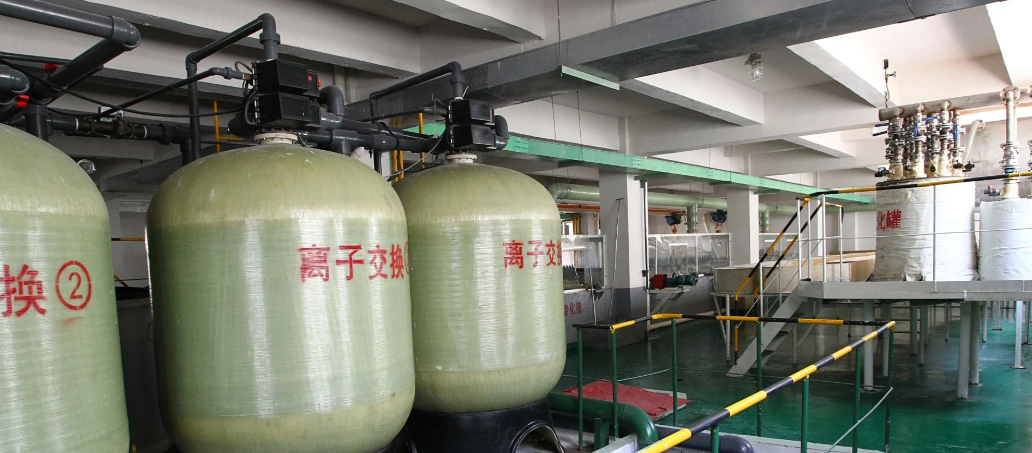
Founded in 1996, Focusing on the in-depth development and application of active substances from seaweed, Fortune Cat® alginate production base has produced alginate, mannitol, Marine cosmetics, Marine biomedical materials, food-grade gelatin, medicinal gelatin, Marine anti-tumor active substances, including terpenoids, polysaccharides, peptides and many other products, which are widely used in the pharmaceutical industry, food industry, beauty industry, textile industry and many other fields.

While introducing advanced production equipment and cutting-edge scientific technology, Fortune Cat® alginate production base actively cooperate with high-end technology institutions, focus on strengthening resource conservation, increase charitable giving, and strive to become a world-class marine biopolymer giant.
E-mail us to get a free quote: fortunecatfibers@outlook.com
See also different:


Address:
International Sales Department
Fortune Cat® Fibers
Jinduhuafu 6#4#308, Jianping, Chaoyang, Liaoning, China.
E-mail: FortuneCatFibers@outlook.com